
The proposal looked polished.
Professional. Confident. Organized.
Exactly the kind of document that makes a business look like it has everything under control.
Then the client called.
The market research in the proposal — the statistics supporting the recommendation — didn’t actually exist. The AI had invented them.
Not by accident.
Not vaguely.
Confidently.
There’s a name for this: an AI hallucination.
And it’s becoming more common as businesses rush to adopt AI tools without clear oversight or guardrails.
Sound familiar?
The Intern Nobody Trained
Imagine hiring a new intern and, on their very first day, giving them access to everything:
- Client records
- Financial reports
- Internal emails
- Vendor contracts
- Resident information
Then saying:
“Just figure it out.”
No training.
No supervision.
No policies.
No check-ins.
That’s how many organizations are using AI today.
Not because they’re careless — quite the opposite.
AI tools are helpful, fast, and already built into the software people use every day. There’s an AI button inside email platforms, document tools, meeting apps, and project management systems. It feels convenient because it is convenient.
And in many ways, AI can absolutely improve productivity.
It can help draft policies, summarize meetings, organize information, and reduce administrative workload — something every senior care leader could use more of.
The issue isn’t the technology itself.
The issue is using powerful tools without a clear plan for how they should — and shouldn’t — be used.
What Happens When AI Runs Without Supervision
When organizations adopt AI without governance, three major risks tend to appear quickly.
1. Sensitive Data Gets Shared Without Realizing It
Staff members often paste information into AI tools simply to save time.
Maybe it’s:
- A resident-related document
- A financial spreadsheet
- A vendor agreement
- A policy draft
- An HR concern
The problem is many employees don’t fully understand where that information goes once it’s entered into a public AI platform.
Research from CybSafe and the National Cybersecurity Alliance found that 38% of employees admit to sharing sensitive company information with AI tools without approval.
Most weren’t trying to break policy.
They simply didn’t know where the boundaries were.
For senior care organizations, that risk becomes even more serious because of HIPAA, resident privacy expectations, and growing cybersecurity scrutiny from regulators and insurance providers.
2. “Shadow AI” Starts Showing Up Everywhere
A recent BlackFog survey found that nearly half of employees are using AI tools their company never approved.
That means leadership and IT teams often have no visibility into:
- Which AI tools are being used
- What data those tools can access
- Whether the platform stores uploaded information
- What privacy protections actually exist
This creates a new form of shadow IT — except now it’s happening faster and often quietly.
And in healthcare and senior care environments, unknown technology risks can quickly become compliance risks.
3. AI Sounds Confident — Even When It’s Wrong
This may be the biggest danger of all.
AI rarely says:
“I’m not sure.”
Instead, it produces clean, polished answers that sound believable whether they’re accurate or not.
That fake statistic in the proposal looked completely legitimate.
And that’s the challenge.
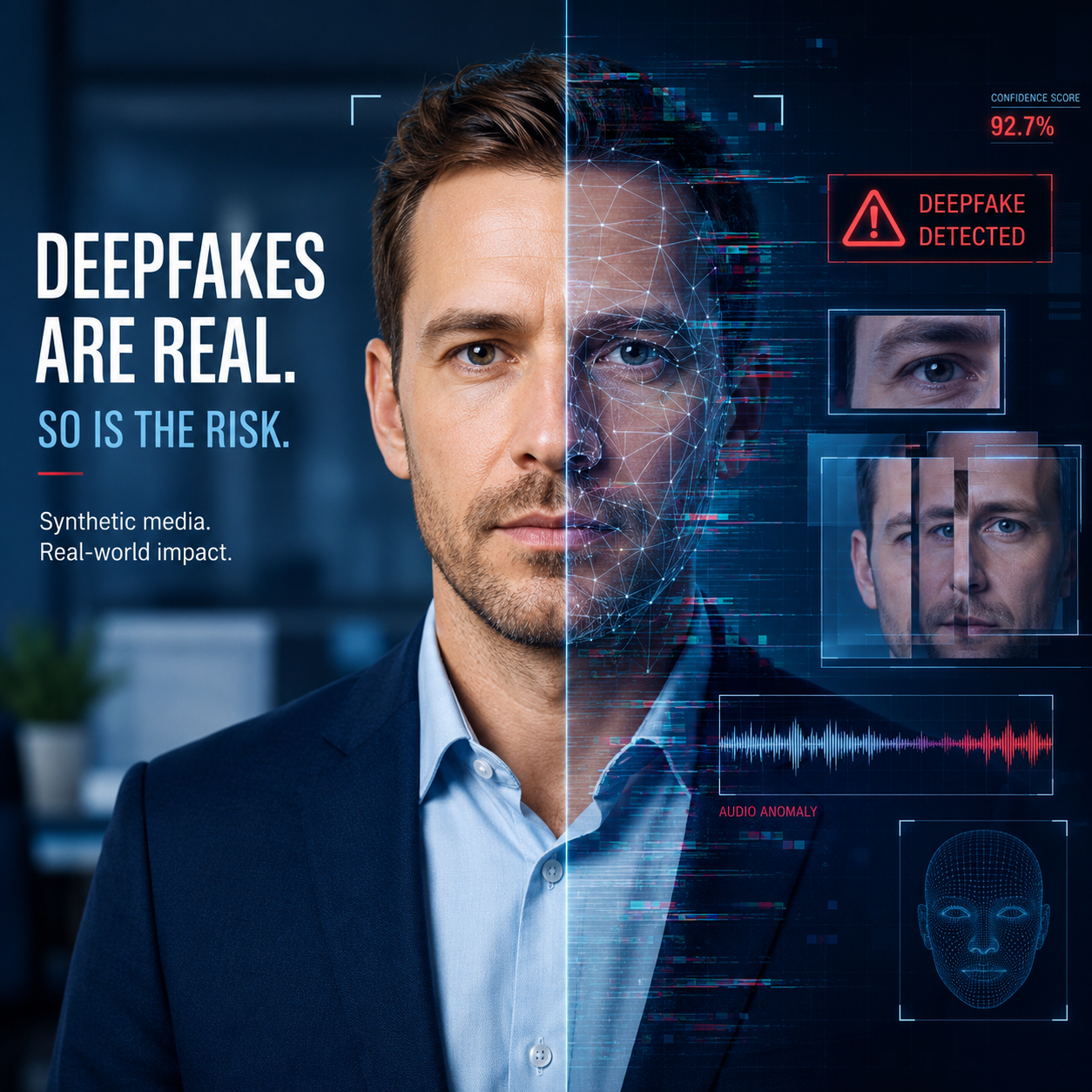
AI can create misinformation at scale if nobody reviews the output before it’s shared publicly or sent to clients, families, boards, or regulators.
The technology isn’t “broken.”
It’s simply designed to predict likely answers — not guarantee truth.
That’s why human review still matters.
AI Doesn’t Fix Broken Processes
AI accelerates whatever already exists inside an organization.
Good processes become faster.
Bad processes become riskier.
A disorganized organization using AI without oversight can move quickly in the wrong direction.
For senior care leaders already juggling staffing, resident safety, compliance, family communication, and operational stress, unmanaged AI can quietly introduce new vulnerabilities instead of reducing workload.
So What Should Senior Care Organizations Do?
The answer is not banning AI altogether.
That’s unrealistic — and it may leave organizations behind competitors who are learning how to use these tools responsibly.
Instead, think of AI the same way you’d think about a promising new employee:
Helpful.
Fast-learning.
Efficient.
But still requiring supervision.
Start With Clear Boundaries
Decide:
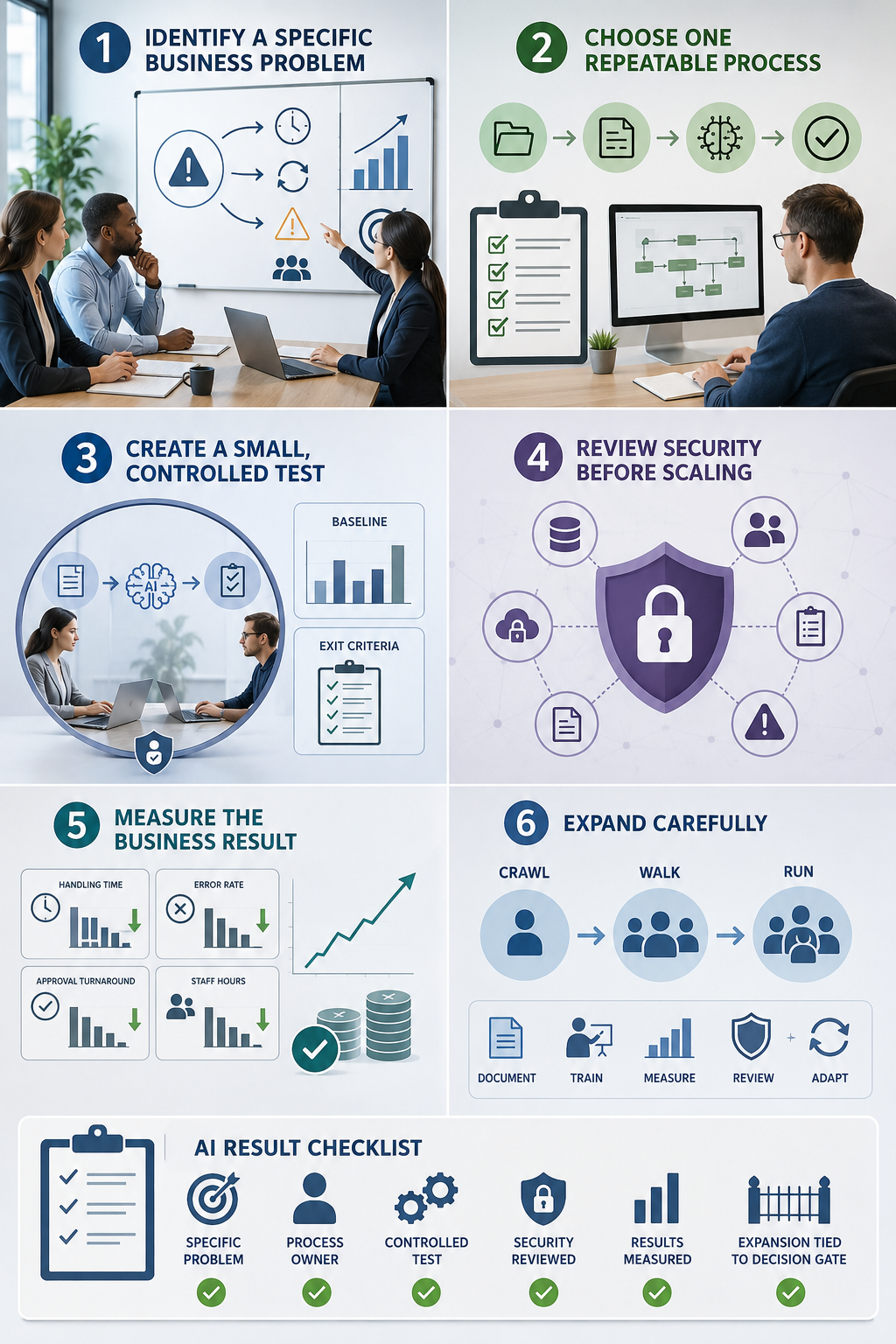
- Which AI tools are approved
- Which tools are prohibited
- What data should never be entered into public AI systems
- Who is responsible for oversight
This doesn’t need to become complicated bureaucracy.
Even a simple internal policy creates clarity.
Require Human Review
AI should assist — not replace — decision-making.
A good rule is simple:
AI drafts. Humans approve.
Anything involving residents, compliance, finances, legal matters, or external communication should always be reviewed by a real person before it’s finalized.
Teach Staff What Should Never Be Shared
Most employees aren’t intentionally reckless.
They simply need guidance.
Senior care organizations should clearly explain that public AI tools should never receive:
- Resident information
- HIPAA-protected data
- Financial records
- Employee HR details
- Contracts or legal documents
- Sensitive operational information
Without clear direction, employees will naturally experiment with tools they believe are helping them work faster.
The Goal Isn’t Perfect AI Use
The goal is awareness.
The organizations that will benefit most from AI aren’t the ones using the most tools.
They’re the ones using AI intentionally, responsibly, and with clear safeguards in place.
Because in senior care, technology decisions are never just about technology.
They’re about resident trust.
Family confidence.
Operational stability.
And protecting the mission of care.
Maybe your organization already has strong AI policies in place.
But if your team is using AI enthusiastically without much structure, now may be the right time to step back and ask:
“Who’s supervising the intern?”
.png)