Why Webcam Privacy Matters
Most of us rarely think about the small camera built into our laptop, tablet, or smartphone. We use it when we need it and forget about it when we don't.
Unfortunately, cybercriminals sometimes view webcams as an opportunity. In some cases, hackers attempt to gain unauthorized access to a device's camera and watch users without their knowledge. While this may sound like something from a movie, webcam spying has been a real cybersecurity concern for years.
What Hackers May Be Looking For
Not every cybercriminal has the same motive.
Some may simply invade people's privacy for entertainment or curiosity. Others have more harmful goals. A criminal who gains access to a webcam may try to capture embarrassing, personal, or sensitive images and videos.
In some cases, scammers use these images as part of an extortion scheme. They may contact victims and threaten to send photos or videos to family members, friends, social media contacts, or professional connections unless a payment is made.
These threats can be frightening, but paying rarely solves the problem.
Why Paying a Cybercriminal Is a Bad Idea
When scammers demand money, they often promise that they will delete the images or stop contacting you after payment.
Unfortunately, there is no reason to trust a criminal's promises.
If someone pays, the scammer may view them as a potential target for future extortion attempts. The criminal may continue demanding additional payments because they know the victim is concerned about the situation.
Instead of paying, it is generally safer to report the incident to law enforcement, follow official guidance, and seek assistance from cybersecurity professionals if needed.
How to Reduce Your Risk
The best defense is to practice good cybersecurity habits:
- Keep your devices updated with the latest security patches.
- Use strong, unique passwords for your accounts.
- Enable multi-factor authentication whenever possible.
- Be cautious when opening email attachments or clicking links.
- Only download software from trusted sources.
- Use reputable security software and keep it updated.
These steps can help reduce the chances of a hacker gaining access to your device in the first place.
A Simple Backup Layer of Protection
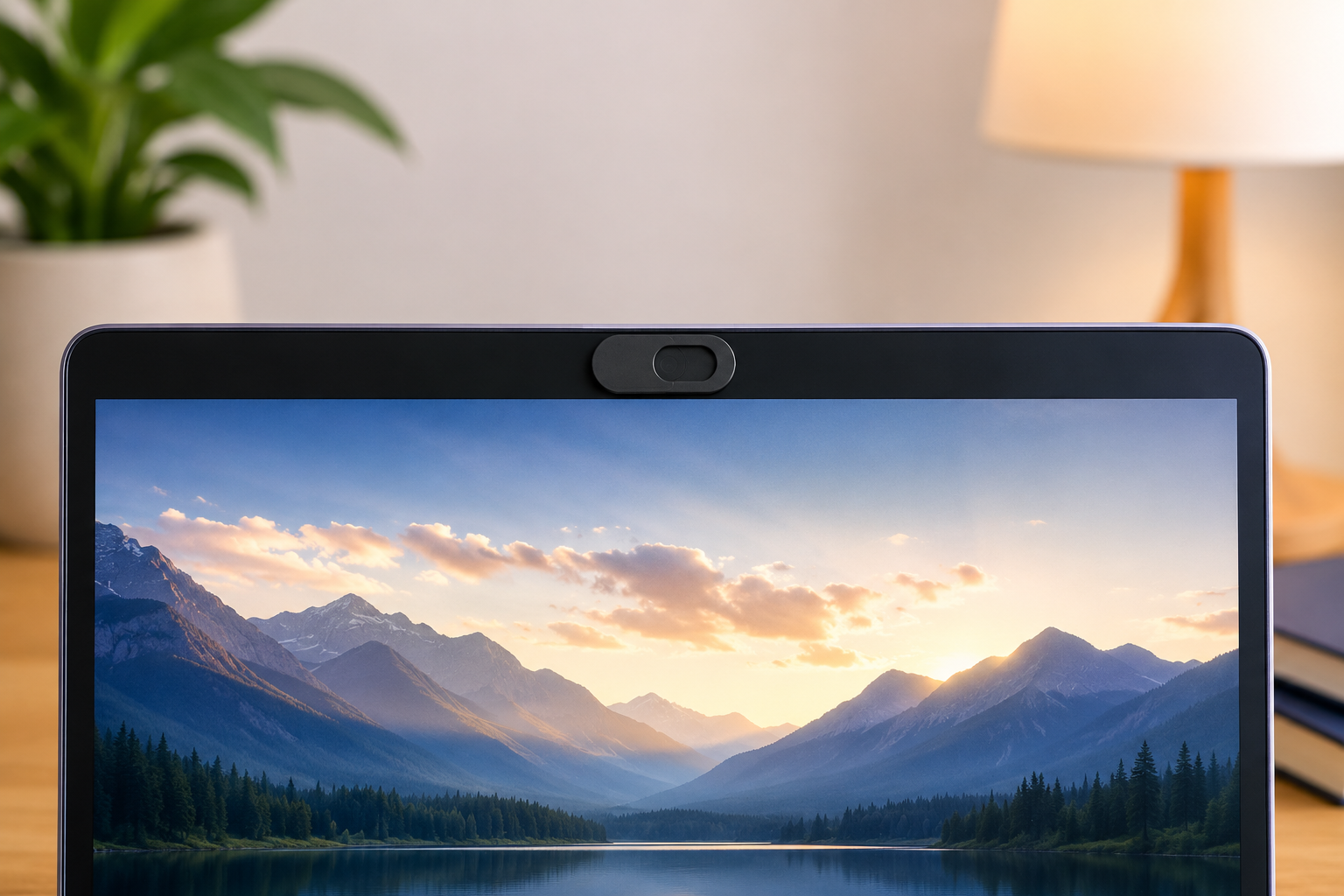
Even with good security practices, many cybersecurity professionals recommend a simple additional precaution: physically covering your webcam when it is not in use.
Small webcam cover sliders are inexpensive and easy to install. They attach over the camera and allow you to slide the cover open when you need the camera and closed when you do not.
Many online retailers sell webcam covers for just a few dollars, making them one of the most affordable privacy tools available.
Final Thoughts
Webcam spying is an unsettling possibility, but protecting yourself does not have to be complicated. Good cybersecurity habits remain your first line of defense, and a simple webcam cover provides an extra layer of privacy and peace of mind.
When it comes to online safety, small precautions often make a big difference.

.png)