.png)
Phishing No Longer Has to Look Suspicious
For years, employees were told to watch for poor grammar, awkward spelling, generic greetings, and obviously unprofessional messages. Those clues still appear in some attacks, but they are no longer reliable enough on their own.
Artificial intelligence allows criminals to produce natural, polished messages quickly. A fake invoice request can sound like normal business communication. A password reset message can use a convincing tone. A scam can reference a real vendor, employee, project, or event.
The lesson is simple: professional writing is not proof that a message is safe. Employees must evaluate the behavior of the request and verify sensitive actions through a trusted channel.
How AI Changes the Phishing Process
AI can help attackers research public information, write messages in different tones, imitate familiar business language, and translate scams for different audiences. Public websites, social media profiles, data breaches, job titles, and company announcements can provide enough context to make a message feel personal.
The details in a phishing email may be accurate. The sender may know the name of a vendor, manager, or project. That does not make the request legitimate. Personalization should encourage more careful verification, not automatic trust.
AI also makes it easier to create many versions of a scam. Criminals can adjust the wording for finance, human resources, executives, sales teams, or individual employees while keeping the same underlying objective.
Warning Signs That Still Matter
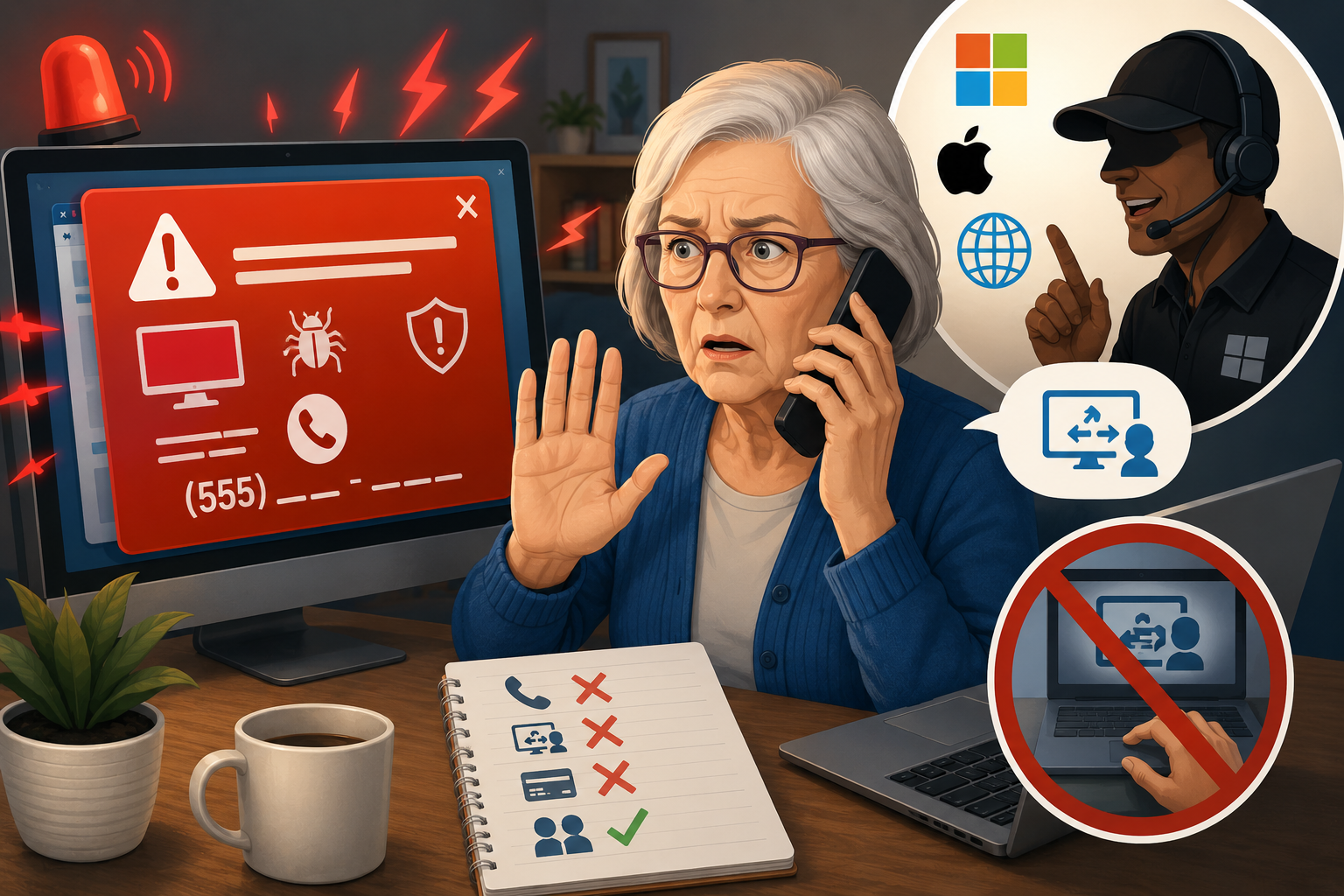
Look beyond grammar and examine what the message is asking you to do. Urgency remains a major warning sign, especially when the sender wants immediate action, secrecy, or an exception to normal procedure.
Money related requests deserve particular caution. Changed bank information, wire transfers, gift cards, unusual invoices, or urgent payment instructions should be confirmed independently. Credential requests are also high risk, including unexpected sign ins, multifactor authentication prompts, password resets, or requests for a verification code.
Unexpected attachments and links can be dangerous even when the email sounds normal. Be cautious with invoices, shared files, compressed folders, or documents you did not expect. Attempts to move the conversation to a personal email address, text message, or unfamiliar application can also signal fraud.
A Convincing Login Page Can Still Be Fake
An AI polished email may lead to a login page that looks familiar. Before entering credentials, ask whether you expected the prompt and whether you reached the page through your normal process.
Whenever possible, open the official application directly or use a saved bookmark instead of the email link. Check the domain carefully. Confirm that the application name and approval request match what you intended to access.
If anything feels unusual, close the page. Do not keep clicking in an attempt to investigate it yourself.
Verify Through a Separate Trusted Channel
Do not verify a suspicious request by replying to the suspicious message. The attacker may control the sender account or the entire conversation thread.
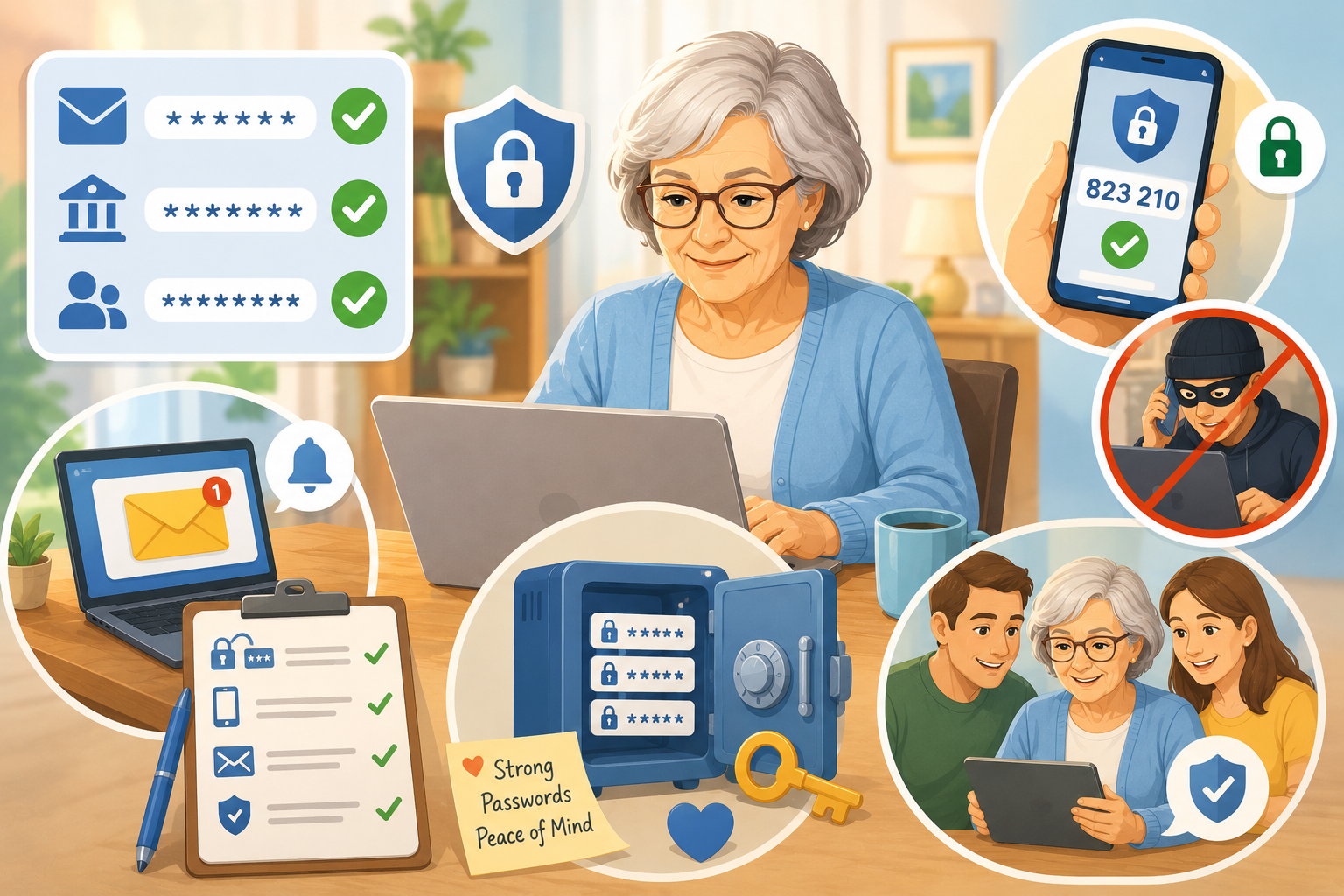
Use a separate method that you already trust. Call a known phone number, start a new message through the company directory, contact the person through Teams, or open the official application directly. Confirm payment changes, login prompts, attachments, and urgent requests before acting.
This is often called out of band verification. It is one of the strongest defenses against polished phishing because it separates the confirmation process from the channel the attacker may control.
Make Reporting Fast and Blame Free
A reported email can protect the entire organization. Employees should know how to use the company’s approved phishing reporting process and should feel comfortable reporting a message even when they are uncertain.
If someone clicked a link, opened a file, entered credentials, approved a login, or changed payment information, speed matters. Stop interacting with the message and contact IT or security immediately. Early reporting gives the organization a better chance to reset credentials, block messages, investigate related activity, and warn other employees.
Reporting is not an admission of failure. Modern phishing is designed to look believable. A supportive response encourages employees to speak up before a small mistake becomes a larger incident.
Use the Five Second Check
Before you click, approve, pay, or sign in, pause and ask five questions. Was I expecting this? Is the request unusual? Is urgency being used to rush me? Does it involve money, credentials, or sensitive data? Have I confirmed it through a separate trusted channel?
AI can make phishing look professional. Verification is what makes it fail.