When business owners think about cybersecurity threats, they often picture anonymous hackers, sophisticated malware, or organized criminal groups.
Those threats are real. However, one of the greatest risks to your business may be much closer than you think.
It may be you and your employees.
That does not mean your team is intentionally putting the company at risk. In most cases, security incidents happen because of ordinary actions taken without understanding the potential consequences.
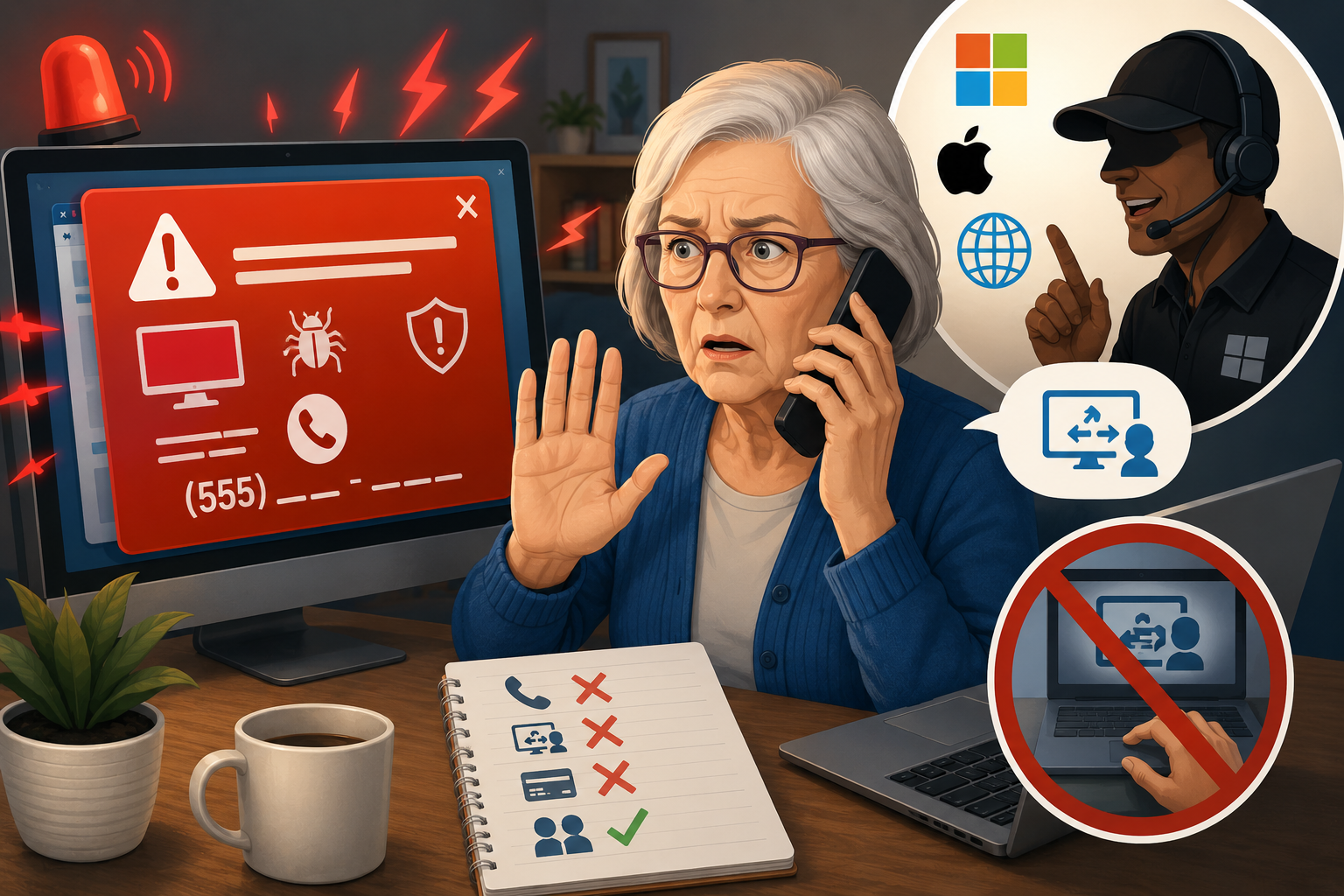
An employee may click a convincing phishing email, reuse a password, send sensitive information to the wrong person, download an unsafe file, or visit a compromised website. One small mistake can give an attacker access to company systems, customer information, financial accounts, or confidential records.
How Employees Accidentally Create Security Risks
Employees use email, websites, cloud applications, mobile devices, and company files throughout the workday. Every one of those activities can create a potential opening for cybercriminals.
Common employee-related security risks include:
- Clicking suspicious links or attachments
- Using weak or repeated passwords
- Sending confidential information through unsecured methods
- Downloading unauthorized software
- Visiting unsafe or inappropriate websites
- Sharing company information on social media
- Using personal devices for sensitive business tasks
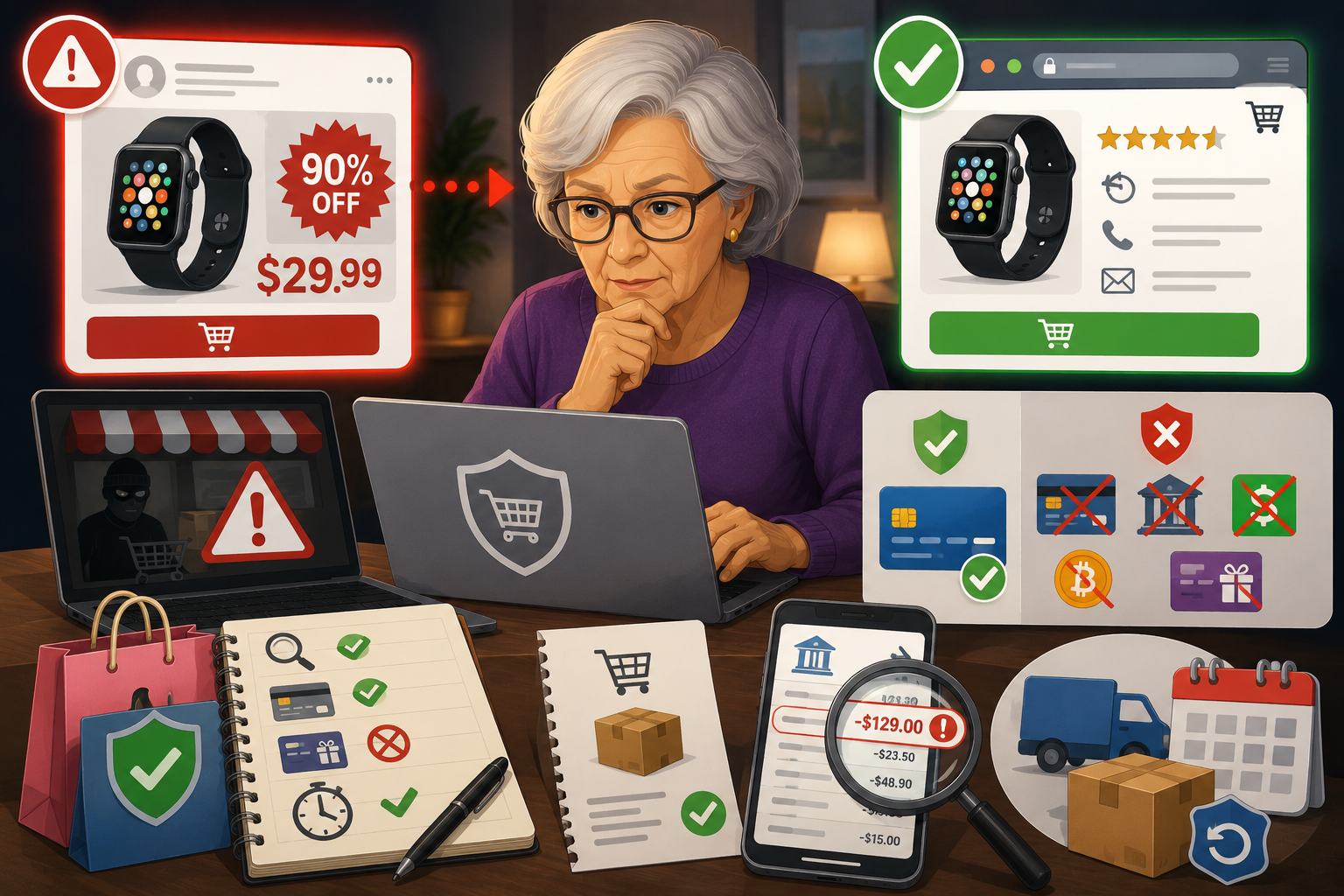
- Falling for fake login pages or payment requests
These actions are usually not malicious. They often happen because employees are busy, distracted, or unsure how to recognize a threat.
Unfortunately, hackers only need one successful mistake.
The Consequences Can Be Serious
Employee actions can expose a business to much more than a temporary technology problem.
A security incident may lead to:
- Financial losses
- Stolen customer or employee information
- Business interruption
- Ransomware infections
- Civil lawsuits
- Regulatory penalties
- Damage to the company’s reputation
- Loss of customer trust
Businesses that handle confidential client, financial, healthcare, or employee information may face even greater consequences when sensitive data is improperly shared or exposed.
That is why cybersecurity cannot be treated as an IT issue alone. It must also be an employee training and management priority.
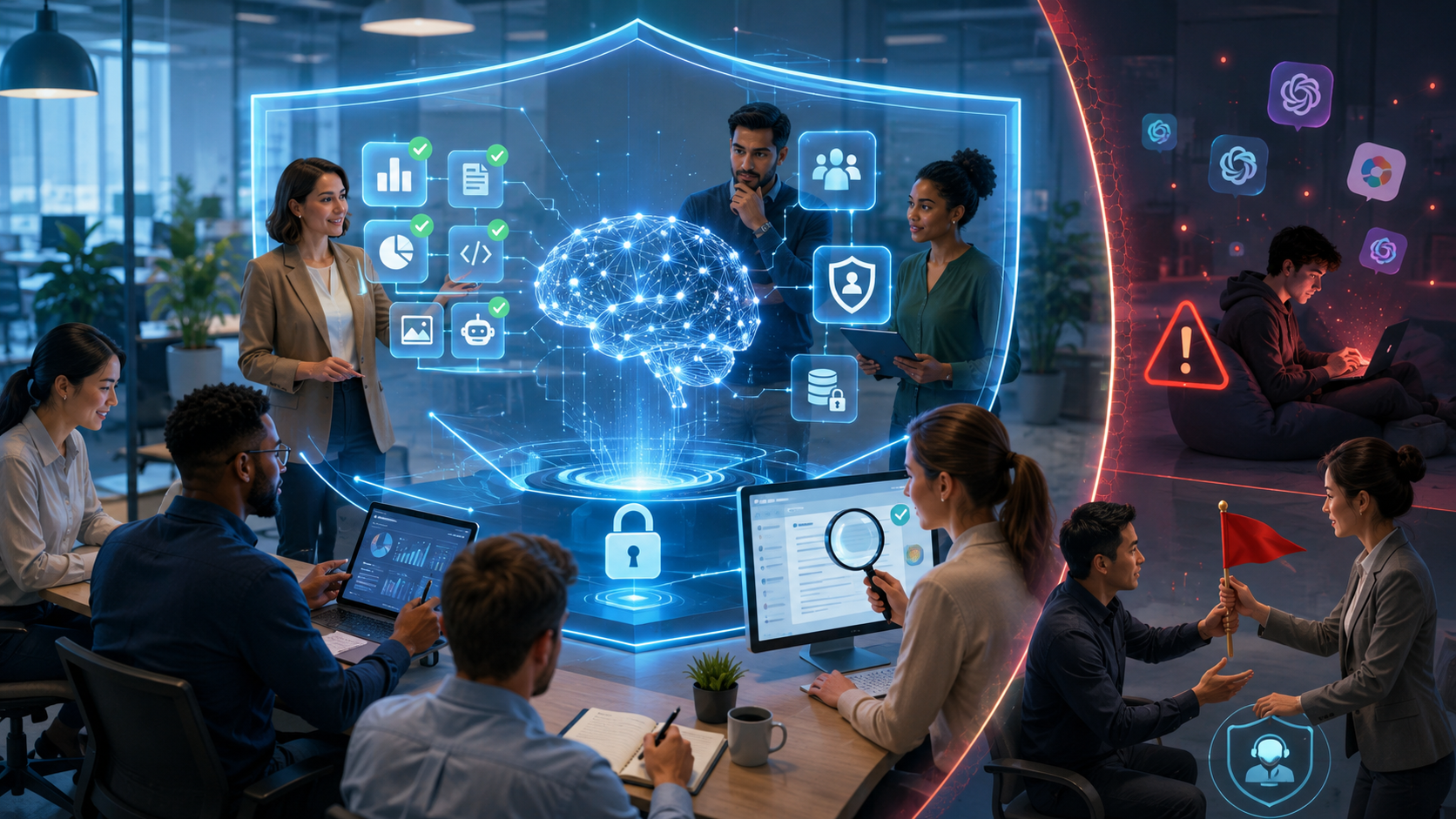
Create an Acceptable Use Policy
One of the best ways to reduce employee-related risk is to create an acceptable use policy, also known as an AUP.
An acceptable use policy clearly explains how employees may use company technology, including:
- Computers and mobile devices
- Business email accounts
- Internet access
- Company data
- Cloud applications
- File-sharing services
- Social media
- Personal devices used for work
The policy should outline what employees can and cannot do, how sensitive information must be handled, and what steps employees should take when they notice something suspicious.
Clear expectations help employees make safer decisions and give managers a consistent standard to enforce.
Provide Ongoing Security Training
A written policy is important, but it is not enough on its own.
Cybersecurity threats change constantly, and employees need regular reminders about how to recognize them. Ongoing training keeps security top of mind and helps employees build safer habits.
Training should cover topics such as:
- How to recognize phishing emails
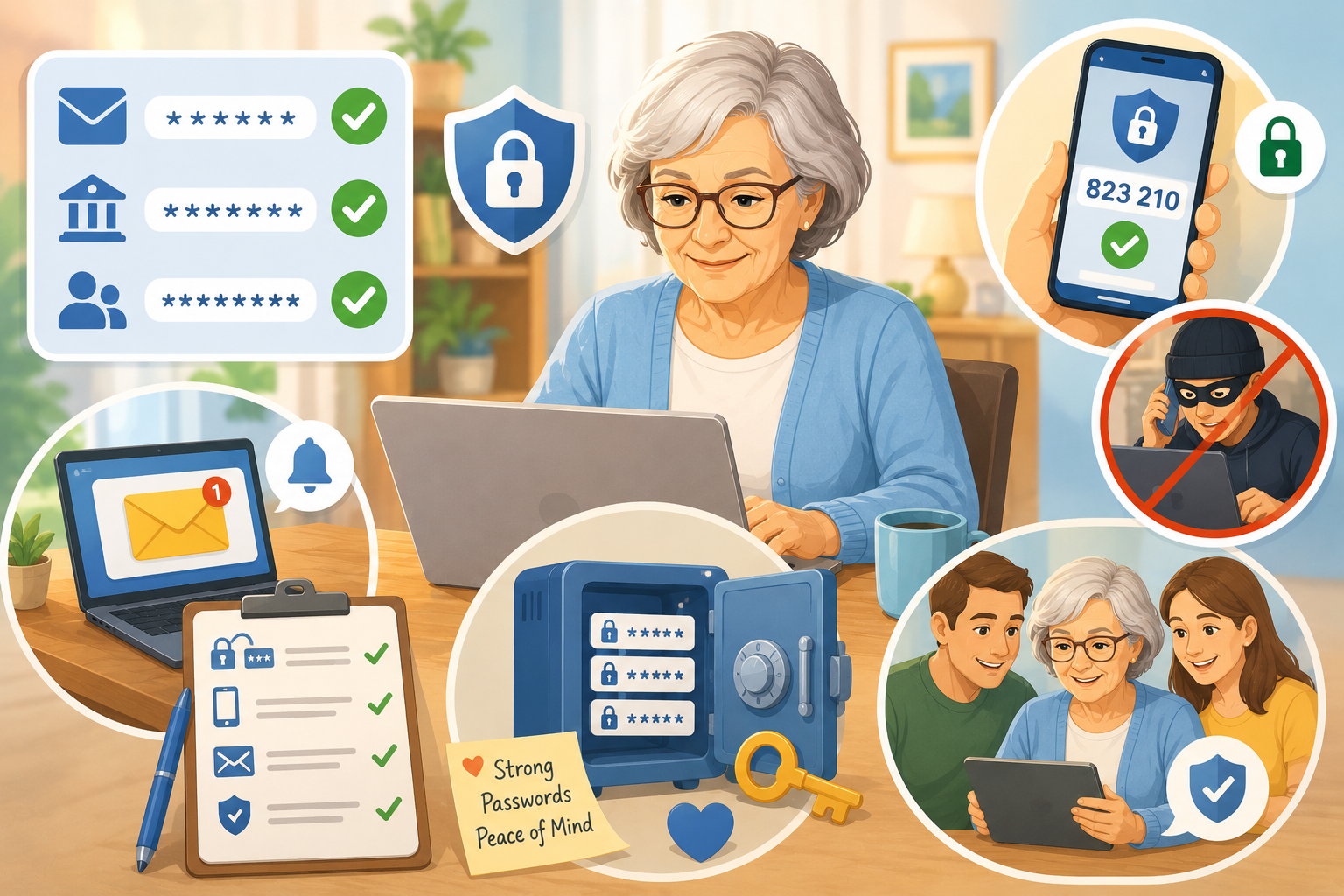
- How to create and manage strong passwords
- When to use multifactor authentication
- How to safely handle sensitive information
- How to identify suspicious websites and attachments
- Who to contact when something seems wrong
Short, frequent training sessions are often more effective than a single annual presentation that employees quickly forget.
Test Employees With Simulated Phishing Emails
Phishing simulations are another effective way to measure how well employees understand cybersecurity threats.
During a phishing test, employees receive safe, simulated phishing emails designed to resemble real attacks. The results can show:
- Who clicked a suspicious link
- Who entered information into a fake login page
- Who reported the message
- Which departments need additional training
- Whether employee awareness improves over time
These tests are not meant to embarrass employees. They help identify weaknesses before a real attacker does.
Employees often become much more cautious after seeing how realistic a phishing email can look and how easy it is to be fooled.
Your Employees Can Become Your Strongest Defense
People may be one of the biggest cybersecurity risks, but they can also become one of your strongest layers of protection.
With clear policies, regular training, phishing simulations, and the right security tools, employees can learn to recognize suspicious activity and report it before serious damage occurs.
Technology alone cannot stop every cyberattack. Your employees must understand the role they play in protecting the business.
The goal is not to create fear. It is to build a workplace where every employee knows how to make safer decisions online.