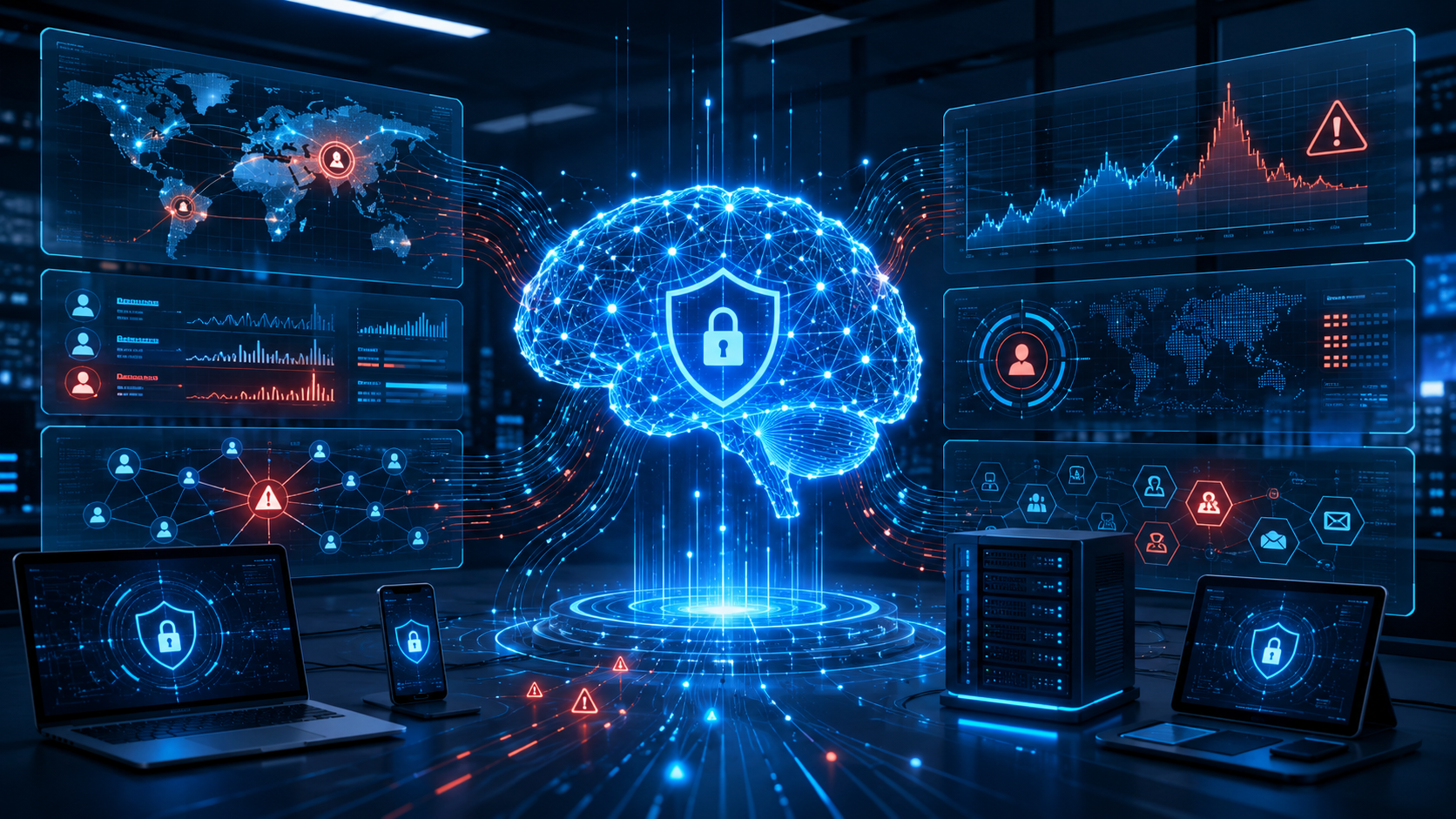
How AI is Revolutionizing Threat Detection
The Old Way of Detecting Threats Is Broken
For decades, cybersecurity relied on signature-baseddetection, essentially a database of known malware and attack patterns thatsecurity software would scan for. If a threat matched a known signature, it wasflagged. If it was new, it slipped through.
This approach worked reasonably well when cyberattacks weresimple and infrequent. But today's threat landscape has evolved dramatically:
- 3.4 million malware attacks occur daily
- Ransomware attacks happen every 11 seconds
- Advanced persistent threats (APTs) can remain undetected for an average of 197 days
The old detection methods simply can't keep pace. That'swhere artificial intelligence comes in.
What is AI-Powered Threat Detection?
AI-powered threat detection uses machine learning (ML)algorithms to analyze massive amounts of data, including network traffic, userbehavior, file behavior, and system logs, to identify potential threats inreal-time.
Unlike traditional tools that look for known signatures, AIsystems:
- Learn patterns: Machine learning models understand what normal looks like for your network, users, and systems
- Detect anomalies: They flag behavior that deviates from the norm, even if they've never seen the specific attack before
- Predict threats: Advanced AI can identify indicators that an attack is about to happen before it launches
- Adapt continuously: The system learns from each incident, becoming smarter over time
How AI Threat Detection Works in Practice
- Behavioral Analysis
AI monitors how users and systems typically behave,including login times, accessed files, network connections, and applicationusage. When someone or something acts out of character, the system alerts yoursecurity team.
Example: If an employee who normally works from 9 AM to 5 PMsuddenly starts downloading large amounts of data at 3 AM, AI flags this assuspicious activity.
- Endpoint Detection and Response (EDR)
AI-powered EDR solutions monitor endpoints (laptops,servers, mobile devices) for malicious behavior. They can:
- Detect fileless attacks that don't leave traditional malware signatures
- Identify malicious scripts running in memory
- Block ransomware before it encrypts files
- Network Traffic Analysis
AI examines network traffic patterns to identifycommand-and-control communications, data exfiltration attempts, and othermalicious activities, even when attackers use encryption to hide their actions.
- Threat Intelligence Correlation
AI can process threat intelligence from millions of sourcesworldwide, correlating global attack data with your specific environment toidentify relevant threats faster than any human analyst could.
Why Your Business Needs AI Threat Detection Now
The volume of attacks is overwhelming. Security teams can'tmanually review every alert. AI handles the noise, prioritizing genuine threatsso your team can respond quickly.
Attacks are getting more sophisticated. Hackers use AI too,automating attacks, generating polymorphic malware, and evading traditionaldetection. You need equally smart defense.
The cost of a breach is too high. The average cost of a databreach in 2024 is $4.88 million. AI detection can reduce breach costs by up to65% by identifying threats faster.
Skills gaps are real. There's a global shortage ofcybersecurity professionals. AI augments your existing team, automating routinetasks so your skilled analysts can focus on strategic initiatives.
Real-World Success: AI in Action
Companies using AI-powered security have reported:
- 99% accuracy in detecting novel malware
- Up to 80% reduction in false positives
- Average detection time reduced from 197 days to under 24 hours
- 60% decrease in security operation center (SOC) alert fatigue
Implementing AI Threat Detection
You don't need to replace your entire security stack tobenefit from AI. Here's how to get started:
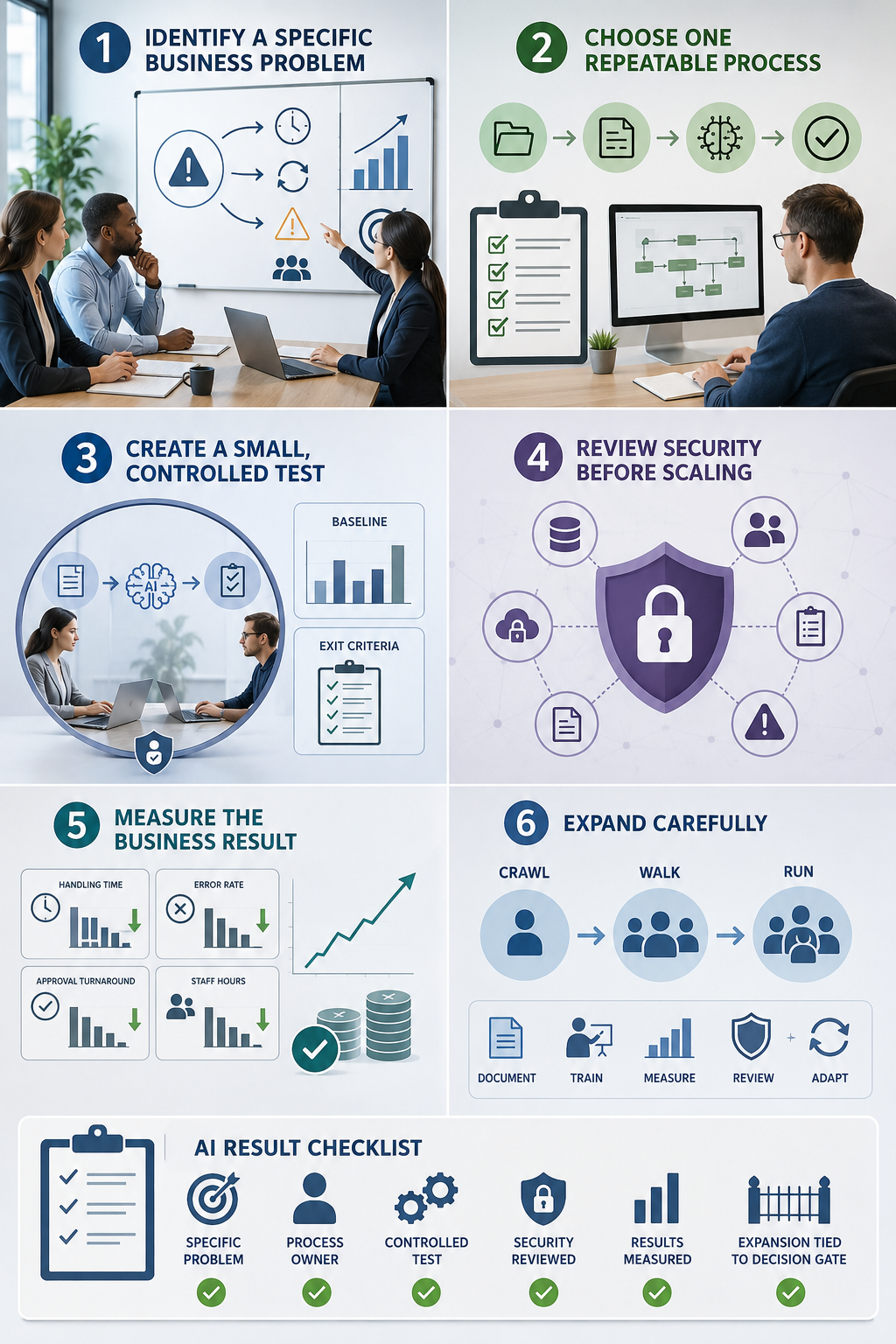
- Audit your current tools: Identify gaps where AI could augment existing protection
- Start with high-impact areas: Endpoint protection and email security are excellent starting points
- Choose integrated solutions: Modern AI tools integrate with your existing SIEM, SOAR, and endpoint platforms
- Train your team: Ensure your IT and security staff understand how to interpret AI-generated alerts
- Partner with experts: Managed security providers like Bounce Back Solutions can implement and manage AI-powered protection for you
The Future is AI-Driven
By 2027, it's estimated that 75% of enterprise securitydecisions will be made using AI-assisted tools. The businesses that adopt AIthreat detection now will have a significant competitive advantage and muchstronger security postures.
Don't wait for a breach to modernize your security.AI-powered threat detection isn't just the future, it's the present.

.png)