Artificial intelligence is no longer a future trend. It is already reshaping how companies operate, compete, and grow. But as AI adoption accelerates, a new concern is emerging across industries: the infrastructure behind AI is becoming more expensive, more competitive, and harder to access.
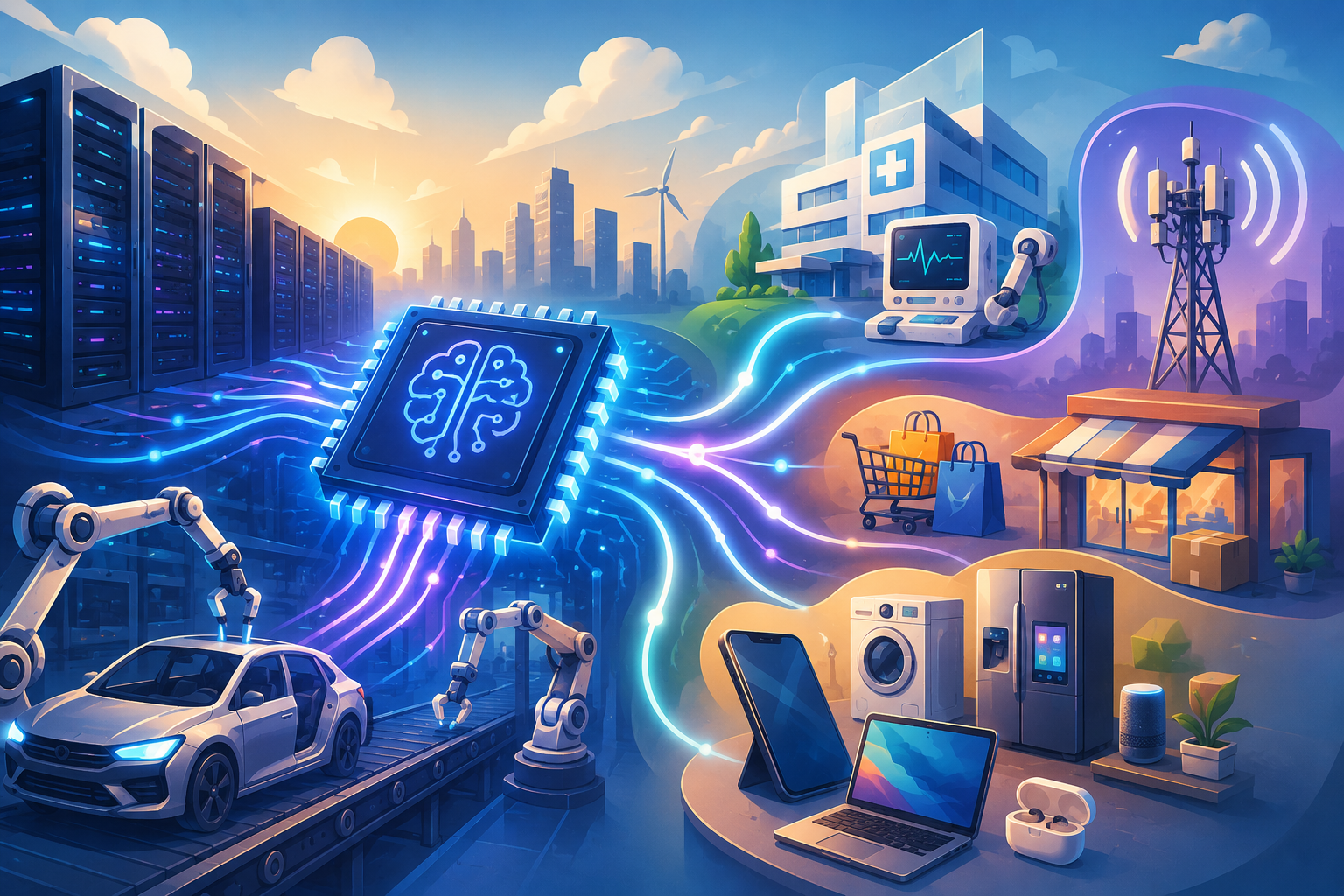
A coalition of U.S. trade groups recently warned that AI data centers are consuming so much memory-chip supply that other industries could soon feel the pressure. The concern is especially focused on high-bandwidth memory, or HBM, a critical component used in advanced AI systems. If demand continues to outpace supply, shortages could last into 2027 and raise costs for industries far beyond technology, including automotive, medical devices, telecommunications, retail, appliances, and healthcare equipment.
For business leaders, the message is clear: investing in AI now may not just be a growth opportunity. It may be a cost-control strategy.
AI Is Creating a New Supply Chain Pressure Point
AI systems require enormous computing power. Behind every chatbot, predictive model, automation platform, or advanced analytics tool is a growing demand for specialized chips, servers, data centers, energy, and memory.
High-bandwidth memory is especially important because it allows AI systems to process huge amounts of data quickly. As major technology companies race to build larger AI models and expand data center capacity, they are absorbing a growing share of the world’s most advanced memory-chip supply.
That demand does not stay isolated in Silicon Valley. When supply tightens, costs can ripple across the economy. Automakers may pay more for vehicle electronics. Medical device manufacturers may face higher component costs. Telecom providers may see network infrastructure become more expensive. Retailers and appliance makers may eventually feel the impact in the products they sell and the systems they rely on.
In other words, AI demand could eventually show up in the price of cars, electronics, appliances, healthcare technology, and everyday business tools.
The Cost of AI Adoption May Rise Over Time
Many companies are still approaching AI cautiously. Some are waiting for the technology to mature. Others are delaying investment until they have a clearer use case, a larger budget, or more internal expertise.
That caution is understandable, but it may become costly.
As AI becomes more embedded in the economy, the resources required to build and run AI systems are likely to become more competitive. Companies that wait may face higher prices for AI software, cloud computing, specialized hardware, consulting, talent, and implementation support.
The businesses that invest earlier can begin building internal knowledge, testing use cases, improving workflows, and developing data strategies before costs climb further. They also have more time to learn what works, what does not, and where AI can create the most value.
Waiting may feel safer in the short term, but it could leave companies paying more later for the same capabilities their competitors started building years earlier.
Early Investment Builds a Competitive Advantage
Investing in AI does not mean every company needs to build its own data center or train a massive language model. For most businesses, the smarter move is to start with practical applications that improve efficiency, reduce manual work, and support better decision-making.
That could include using AI to:
Improve customer service response times
Automate repetitive administrative tasks
Analyze sales, inventory, or operational data
Support marketing and content creation
Streamline HR, finance, or compliance workflows
Improve forecasting and planning
Enhance employee productivity
The value of early AI investment is not only in the tools themselves. It is in the learning curve.
Companies that begin now can train teams, clean up their data, establish responsible AI policies, and identify the processes where AI delivers measurable returns. Over time, that creates an operating advantage. These companies will not be starting from scratch when AI becomes even more central to business competition.
AI Costs May Affect More Than Technology Budgets
One reason this issue matters is that AI infrastructure costs can influence broader business costs. If memory-chip shortages raise prices for vehicles, electronics, medical devices, telecom systems, and appliances, companies may feel pressure from multiple directions.
A business might pay more for the technology it buys, the equipment it operates, the logistics it depends on, and the healthcare or benefits systems that support its workforce. At the same time, it may also face rising costs to adopt AI tools later.
This creates a strategic urgency. AI should not be viewed only as an innovation expense. It should be viewed as a way to offset future cost pressures through productivity gains.
If AI can help a company operate faster, reduce waste, improve forecasting, or serve customers more efficiently, those gains may become increasingly valuable in a higher-cost environment.
The Best Time to Build AI Readiness Is Before It Becomes Urgent
The companies that benefit most from AI will likely be the ones that treat it as a long-term capability, not a one-time software purchase.
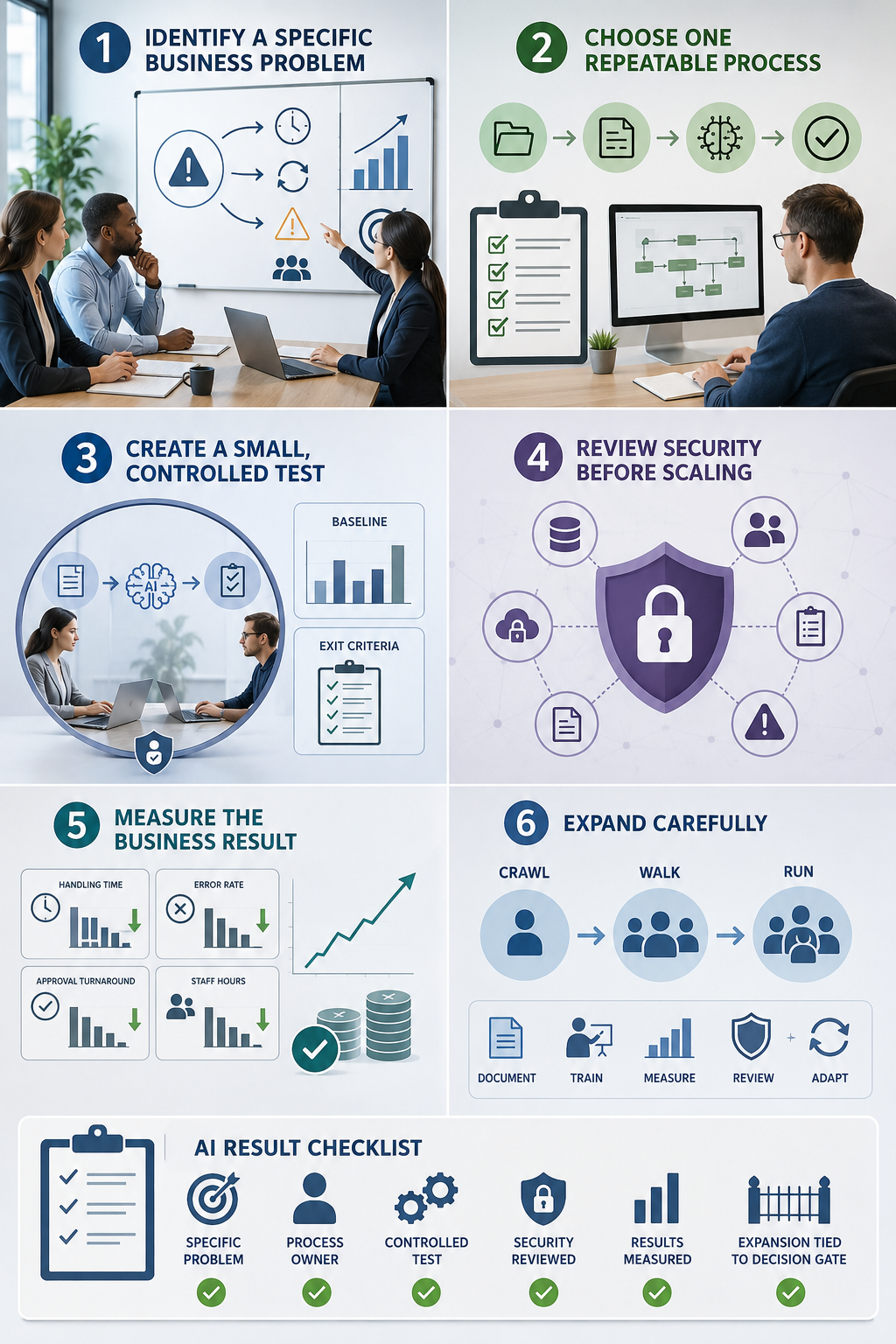
That means building AI readiness now. Businesses should evaluate where AI can improve operations, where their data needs improvement, which teams need training, and which workflows are ready for automation. They should also create clear guidelines for security, privacy, accuracy, and responsible use.
Starting early allows companies to move deliberately instead of reactively. It gives leaders time to test tools, measure results, and scale what works without being forced into rushed decisions later.
As AI infrastructure becomes more expensive and more competitive, the gap between early adopters and late adopters may widen.
The Bottom Line
AI demand is already reshaping global technology supply chains. If shortages in high-bandwidth memory continue into 2027, the impact could reach far beyond data centers and software companies. It could influence the cost of cars, electronics, appliances, telecom infrastructure, medical devices, and healthcare technology.
For companies, this is a warning and an opportunity.
The warning is that waiting to adopt AI may become more expensive. The opportunity is that investing now can help businesses build efficiency, resilience, and competitive advantage before costs rise further.
AI is not just the next wave of technology. It is becoming part of the economic foundation businesses depend on. Companies that start building their AI capabilities today will be better prepared for the cost pressures, supply constraints, and competitive demands of tomorrow.

.png)