If you’re like many senior care leaders I speak with, AI might feel like one more overwhelming topic on an already full plate.
You’re managing staff.
You’re caring for residents.
You’re preparing for inspections.
And now… artificial intelligence?
Let’s take this one step at a time.
Because here’s the truth:
AI isn’t coming to replace care.
It’s coming to support it.
And in many communities across Minnesota and beyond, it already is.
What AI Actually Looks Like in Senior Care (Today)
When people hear “AI,” they often think of robots or something out of a sci-fi movie.
But in senior care, AI is much quieter—and much more practical.
Here’s where it’s already showing up:
1. Predicting Falls Before They Happen
AI-powered monitoring systems can now watch for subtle changes in movement patterns.
That might mean:
- A resident is walking more slowly
- Their balance is shifting
- They’re getting up more frequently at night
These small signals can help staff intervene before a fall occurs.
And when it comes to resident safety, prevention is everything.
2. Smarter Staffing and Scheduling
AI tools can analyze:
- Resident acuity levels
- Staff availability
- Peak care times
This helps ensure the right people are in the right place—without overworking your team.
For administrators already stretched thin, this kind of support matters more than ever.
3. Early Health Insights
Some AI systems can flag early warning signs in:
- Vital signs
- Behavior patterns
- Medication adherence
This doesn’t replace clinical judgment.
But it gives your team an earlier heads-up, which can lead to faster care and better outcomes.
4. Reducing Documentation Burden
Let’s be honest—documentation takes time away from care.
AI-powered tools can now:
- Transcribe notes
- Suggest care plan updates
- Automate routine charting tasks
That means more time with residents… and less time behind a screen.
5. Strengthening Cybersecurity (This One Matters More Than Most Realize)
Here’s something many facilities don’t expect:
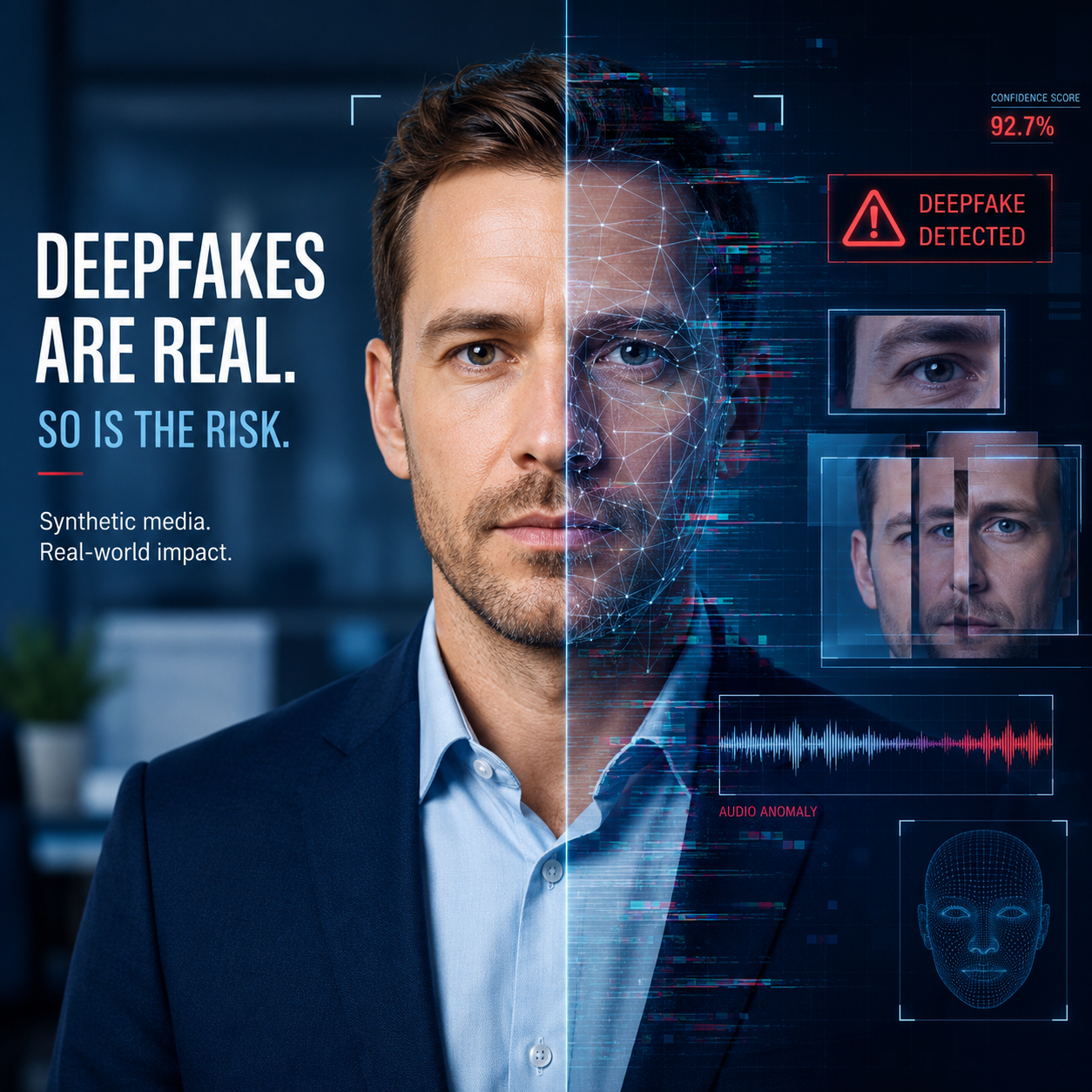
AI is also being used by cybercriminals.
Phishing emails are getting smarter.
Ransomware attacks are more targeted.
And senior care organizations are increasingly seen as “easy targets” due to limited IT resources.
But AI is also helping on the defense side:
- Detecting unusual login behavior
- Stopping suspicious emails before staff see them
- Identifying threats faster than traditional systems
For a sector that holds sensitive resident data—health records, financial information, personal details—this layer of protection is becoming essential.
Why This Matters for You (Not Just “The Industry”)
You might be thinking:
“This all sounds helpful… but is this something I really need to worry about right now?”
That’s a fair question.
Here’s what I gently want you to consider:
- Expectations are rising—from families, regulators, and insurance providers
- Cyber risks are increasing—especially in healthcare
- Internal resources are not keeping pace
Most senior care communities don’t have dedicated IT or security teams.
Which means the gap between what’s needed and what’s in place is growing.
And that gap is exactly where both risk—and opportunity—live.
The Emotional Side of AI (That No One Talks About)
Let’s pause for a moment.
Because this isn’t really about technology.
It’s about something much deeper:
👉 Trust
Families trust you with their loved ones.
Residents trust you with their dignity.
And increasingly… they’re trusting you with their data.
AI, when used well, helps protect all three.
Not by replacing your team—but by supporting them quietly in the background.
What You Don’t Need to Do
You don’t need to:
- Become a technology expert
- Buy every new tool on the market
- Completely overhaul your systems overnight
That’s where many leaders feel stuck—and understandably so.
What You Can Do (Starting Simple)
Here’s what matters most right now:
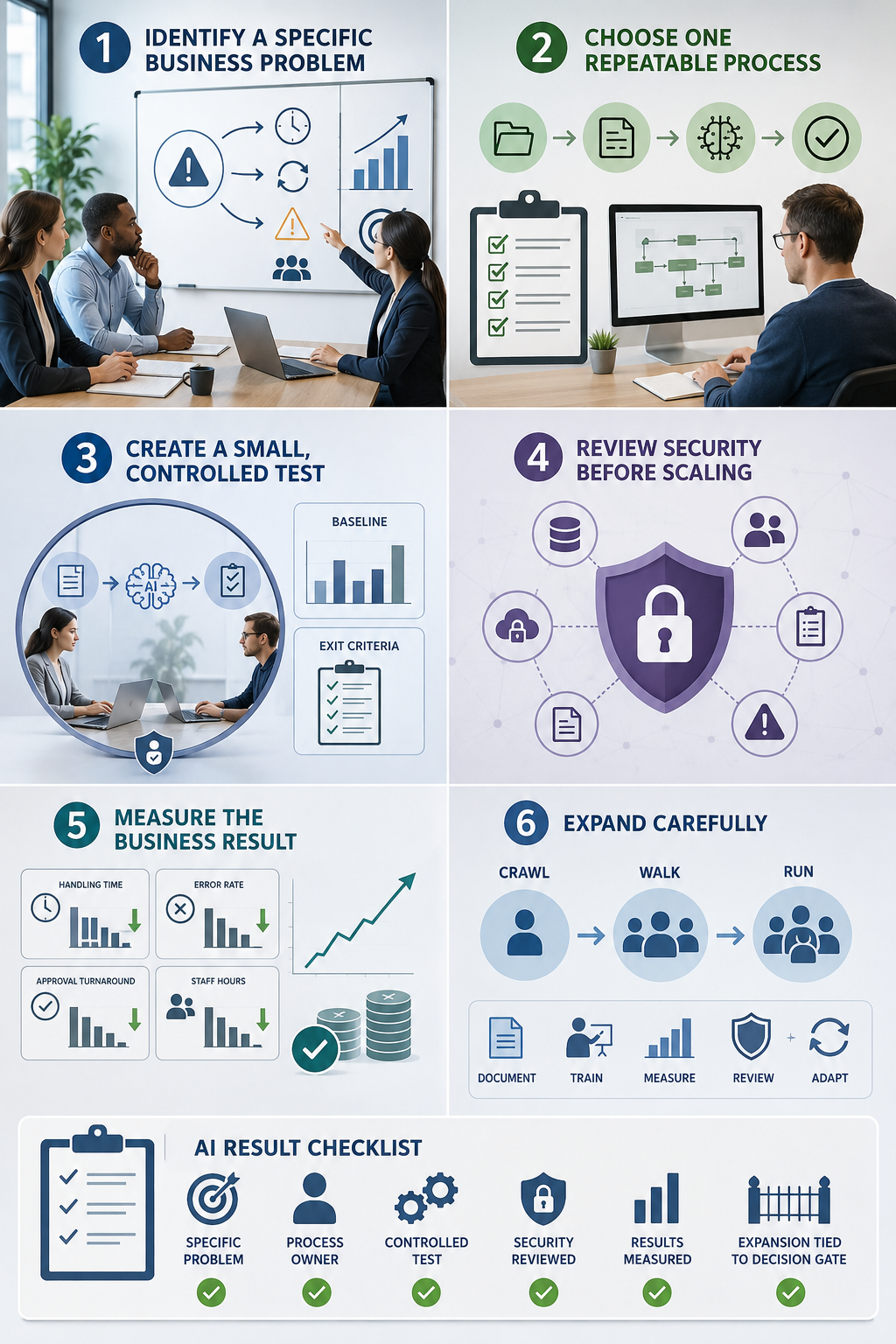
1. Stay aware
You don’t need deep expertise—just a basic understanding of what’s changing.
2. Ask better questions
- “How are we using AI today, if at all?”
- “Are we protected against AI-driven threats?”
- “What would actually improve resident safety or staff workload?”
3. Partner with people who understand senior care
Not just technology… but your world, your pressures, your regulations, and your mission.
A Final Thought
You’re already carrying a lot.
And the last thing you need is another layer of complexity.
But when AI is approached the right way, it doesn’t add weight.
It lifts some of it off your shoulders.
Helping you:
- Protect your residents
- Support your staff
- Strengthen trust with families
- And yes… sleep a little better at night
You’re not alone in figuring this out.
And you don’t have to solve it all today.
If you ever want a simple, no-jargon conversation about where your community stands—and what actually matters—I’m always here to help guide you through it, one step at a time.
.png)